How Walmart Sellers Can Manage Inventory Effectively
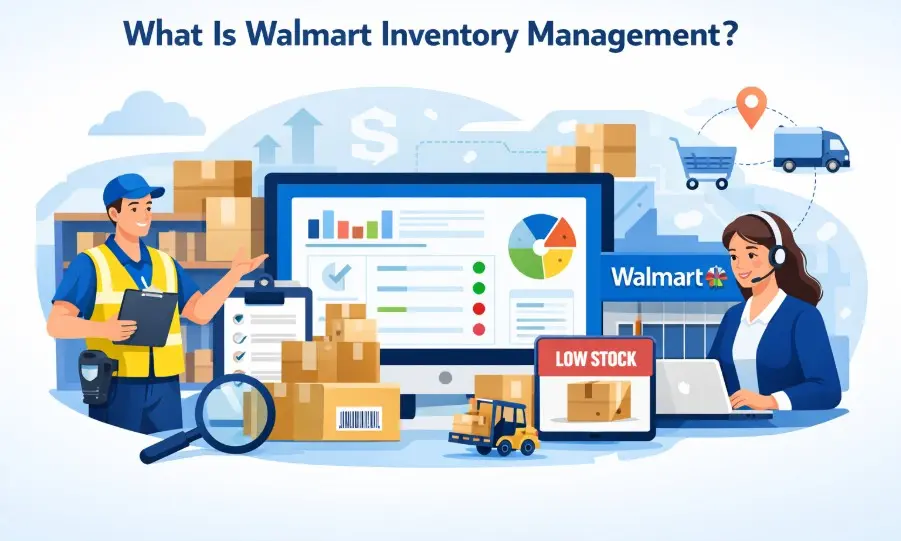
Table of Contents
- What is Walmart Inventory Management?
- Why Inventory Management is Important for Walmart Sellers?
- Types of Inventory Management on Walmart
- What Happens if Inventory is not Maintained Properly?
- How to Manage Walmart Inventory Effectively ?
- Benefits of Proper Inventory Management for Walmart Sellers
- Best Practices for Walmart Inventory Management
- Common Inventory Management Mistakes Walmart Sellers Make
- Conclusion
- Get Your Questions Answered (FAQ)
Walmart inventory management is about keeping products in stock, in the right quantity, at the right time, while avoiding order issues and protecting listing visibility. This blog covers how Walmart inventory works, the difference between Walmart-fulfilled and seller-fulfilled inventory, what happens when inventory is not managed properly, and simple ways sellers can track and manage inventory using Walmart Seller Central and basic tools.
Inventory issues are one of the most common reasons Walmart sellers struggle to scale. Running out of stock can cause lost sales and listing suppression, while overstocking locks up cash and increases storage risk.
For Walmart sellers, inventory management is not just an operational task; it directly impacts buy box eligibility, order fulfillment, and customer experience. Understanding how Walmart handles inventory and how sellers should manage it is essential for long-term success on the marketplace.
This blog explains how Walmart sellers can manage inventory effectively, using practical methods that work for both beginners and intermediate sellers.
What is Walmart Inventory Management?
Walmart inventory management refers to how sellers track, control, replenish, and optimize product stock listed on Walmart Marketplace. It involves monitoring available units, forecasting demand, and aligning inventory with fulfilment methods.
All inventory activity is managed through Walmart Seller Center, where sellers update stock levels, view inventory reports, and manage fulfilment settings.
Effective inventory management ensures:
- Products stay in stock
- Orders are fulfilled on time
- Listings remain active and competitive
Why Inventory Management is Important for Walmart Sellers?

Poor inventory control can quietly damage a seller’s account, especially when stock levels are not planned based on actual sales history,
Inventory management is important because it:
- Prevents lost sales caused by stockouts
- Protects seller performance metrics
- Helps to maintain consistent search visibility
- Reduces order cancellations caused by inventory-related fulfillment delays
Walmart prioritizes reliability, Sellers who manage inventory well are more likely to maintain stable listings and meet Walmart’s fulfillment and customer experience standards.
Types of Inventory Management on Walmart
While Walmart offers multiple fulfillment programs, inventory management for most Marketplace sellers primarily falls into two categories: Walmart Fulfillment Services (WFS) and Seller-Fulfilled Inventory. Other models, such as Drop Ship Vendor, Big & Bulky fulfilment and 3PL, follow similar inventory principles and are applicable to specific seller programs.
For a more detailed comparison of inventory models and guidance on which option to choose, sellers can refer to our guide on types of inventory management for Walmart sellers. Hyperlink the (Types of Inventory Management for Walmart sellers) Blog
Walmart Fulfilled Inventory
With Walmart Fulfilments Services (WFS), sellers send inventory to Walmart warehouses. Walmart handles storage, shipping, and customer delivery. This model is commonly used by sellers who want faster delivery and simplified operations.
Key inventory considerations for WFS:
- Inventory must be replenished on time to avoid warehouse stockouts
- Storage limits and inbound shipment planning matters
- Forecasting is critical since restocking takes time
While WFS simplifies fulfilment, sellers still need active inventory planning to avoid running out of stock.
Seller-Fulfilled Inventory
In seller-fulfilled models, sellers store and ship products themselves or through third-party logistics providers. This approach is often used for niche, low-volume, or specialized products that require more control.
Inventory control responsibilities include:
- Maintaining accurate stock counts
- Syncing inventory across sales channels
- Shipping orders within Walmart’s SLA
Seller-fulfilled inventory gives more control but requires tighter monitoring to prevent overselling.
Which Inventory Method Is Best for Walmart Sellers?
There is no single best inventory method for all Walmart sellers. The right option depends on order volume, product type, and fulfillment capacity. Sellers using fast-moving products often benefit from WFS, while seller-fulfilled inventory may suit niche or low-volume items that require more control.
What Happens if Inventory is not Maintained Properly?
When inventory is not managed properly, problems show up quickly.
Common consequences include:
- Listings going out of stock and disappearing from search results, which leads to missed sales opportunities even when demand exists.
- Lower seller performance scores, especially when products go out of stock and are not restocked Immediately
- Reduced customer trust and repeat purchases.
Repeated inventory issues can lead to listing suppression or account performance warnings, making recovery harder over time.
How to Manage Walmart Inventory Effectively ?
Sellers rely on inventory data, sales reports, pricing tools, fulfillment tracking, and past sales history to understand which products are selling fast and which are moving slowly. Based on this analysis, they decide how much stock to restock, how much to keep ready for shipping, and when to send inventory to WFS or their warehouse. They also need to consider shipping timelines and processing time to ensure products arrive before stock runs out, which requires regular report checks and careful planning.
As order volume increases, managing all these activities manually becomes time-consuming and increases the risk of mistakes. Inventory management tools help simplify this process by organizing inventory insights in one place. Tools like KwickMetrics allow sellers to analyze product movement, monitor sell-through trends, and identify fast- and slow-selling products more efficiently. With clearer visibility, sellers can plan restocking more accurately, avoid overstocking slow-moving products, and reduce stock-related issues as their business grows.
Sellers who want to see how inventory data can be organized and analyzed in one place can review a demo account overview.
Benefits of Proper Inventory Management for Walmart Sellers

When inventory is managed correctly, sellers see measurable operational and business benefits.
Key benefits include:
- Fewer stockouts and missed sales – helps maintain listing visibility and seller ranking, ensuring sales opportunities are not lost and supporting higher revenue
- Better cash flow planning – prevents excess capital from being locked in slow-moving inventory, allowing sellers to reinvest in fast-selling products
- Improved order fulfilment metrics – reduces order cancellations and shipping delays, strengthening overall seller performance scores
- More stable listing performance – keeps listings active and competitive, even during demand spikes or seasonal changes
Over time, consistent inventory control helps sellers improve profitability and scale operations with fewer disruptions.
Best Practices for Walmart Inventory Management
Successful Walmart sellers follow structured inventory processes.
Best practices include:
- Set minimum stock thresholds for every SKU
- Forecast demand using historical sales data
- Replenish inventory before peak demand periods
- Audit inventory regularly for accuracy
- Avoid over-listing products without confirmed stock
Inventory management should be proactive, not reactive.
Common Inventory Management Mistakes Walmart Sellers Make
Many sellers face issues because of avoidable mistakes.
Common errors include:
- Waiting until inventory hits zero before restocking
- Ignoring inventory reports in Seller Center
- Overselling across multiple channels without syncing stock
- Overstocking slow-moving products
- Not adjusting inventory plans during seasonal demand
Avoiding these mistakes helps sellers maintain long-term account health.
Conclusion
Walmart inventory management plays a critical role in seller performance, customer satisfaction, and business growth. Whether using Walmart fulfilment or seller-fulfilled methods, inventory must be tracked, planned, and restocked with intention.
Sellers who understand Walmart’s inventory logic, use Seller Center tools effectively, and adopt data-backed decision-making are better positioned to grow steadily on the marketplace.
Inventory is not just stock, it is the foundation of a reliable Walmart selling operation.
Get Your Questions Answered (FAQ)
Yes. Frequent stockouts can reduce listing visibility and affect seller performance. Keeping products in stock helps protect rankings and avoid order-related issues.
Track sales regularly, set minimum stock levels, and restock before inventory runs low. Planning inventory based on past sales helps avoid unexpected stockouts.
Group SKUs by sales performance and review stock levels regularly. Focus first on fast-selling and low-stock items to avoid missed sales.
With Walmart Fulfilment Services (WFS), sellers must plan replenishment early due to inbound timelines. Seller-fulfilled inventory requires more frequent stock updates and closer monitoring.
Stock products based on actual demand, reduce excess inventory, and replenish fast-selling items more often. This keeps inventory moving and reduces storage risk.
Yes, but inventory must be synced accurately. Without proper syncing, sellers may face overselling or incorrect stock levels on Walmart.